

Introduction
If you are a man, you might have read up about the odds of you developing prostate problems and what you would need to do about it should it be you.
According to the American Cancer Society (ACS), approximately 333,830 new cases of prostate cancer and 36,320 related deaths are estimated in the United States in 2026. Prostate cancer is the most common cancer among American men, excluding skin cancer, and approximately 1 in 8 men will be diagnosed with it during their lifetime. It appears to occur more in older men and non-Hispanic Black men.
Understanding Prostate Health
The prostate is a small, walnut-sized gland in the male reproductive system. It produces fluid that mixes with sperm during ejaculation and sits just below the bladder, surrounding the upper part of the urethra — which is why prostate changes often first show up as urinary symptoms.
Three conditions account for most prostate-related health issues in men:
- Prostatitis is inflammation of the prostate gland. It can be caused by bacterial infection or, in many cases, by causes that aren’t fully understood. It can affect men of any age.
- Benign prostatic hyperplasia (BPH) is a non-cancerous enlargement of the prostate that becomes more common after age 50. As the gland grows, it can press on the urethra and make urination difficult or uncomfortable. The exact cause isn’t fully known, but age-related hormonal changes are believed to play a central role.
- Prostate cancer is the most serious prostate condition and one of the most common cancers in men. Early-stage prostate cancer often produces no symptoms — which is why regular screening discussions with a physician matter, particularly after age 50 or earlier for men with elevated risk factors. Diet, lifestyle, and activity level all influence prostate health over time. If you are experiencing symptoms related to urination, pelvic discomfort, or sexual function, speak with a healthcare provider rather than relying on supplements alone.
What Are The Warning Signs Of Prostate Cancer?

In most cases, prostate cancer symptoms are not evident in the early stages of the disease. The symptoms of prostate cancer can be different for each man, and the symptoms could be caused by other conditions. Usually, the doctor will do routine screenings like digital rectal exams and PSA (prostate-specific antigen) tests.
Early Warning Signs Of Prostate Cancer
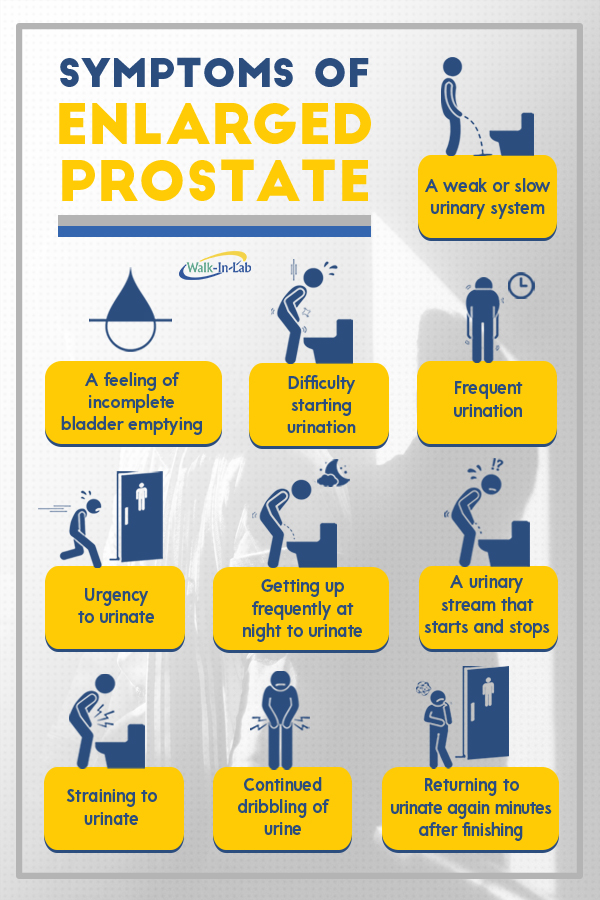
The prostate gland is close to the bladder and the urethra. That means prostate cancer can show up as varying urinary symptoms, particularly right at the start. Sometimes, a tumor presses down and constricts the urethra preventing the proper flow of urine. It’s important to look out for the signs and see your doctor immediately if you are worried. Some early warning signs are:
- Pain or burning whilst urinating.
- Difficulty urinating; maybe trouble to stop and start while urinating.
- Needing to urinate more frequently at night.
- Decreased flow of urine.
- Loss of bladder control.
- Noticing blood in the semen or urine.
- Not easy to get an erection (erectile dysfunction).
- Painful ejaculation.
There are also advanced signs of prostate cancer to look out for too
More advanced cancer could have spread to form tumors in the bones or other organs of the body. If it spreads, it can go to the spine too and press on the spinal nerves. Signs that the cancer is more advanced are swelling in the pelvic area or legs; numbness or pain in the feet, legs, and hips; or bone pain that persists and doesn’t let up, or even leads to fractures.
We Have 5 Best Prostate Supplements 2025 To Show You
Top supplements can deal with all the above prostate problems – they do an excellent job of keeping a man’s prostate healthy – look at the one below; you will want to go out and get these when you see what benefits they offer: